

Wildlife forms, rendered for 3D printing
Detailed animal models for makers who care about the creature as much as the print. See the form, dimensions, and practical print notes before you head to Etsy.
Featured animals
Start with the models currently in focus. Open an animal for detailed views, exact dimensions, print guidance, and a direct link to its Etsy listing.
Featured
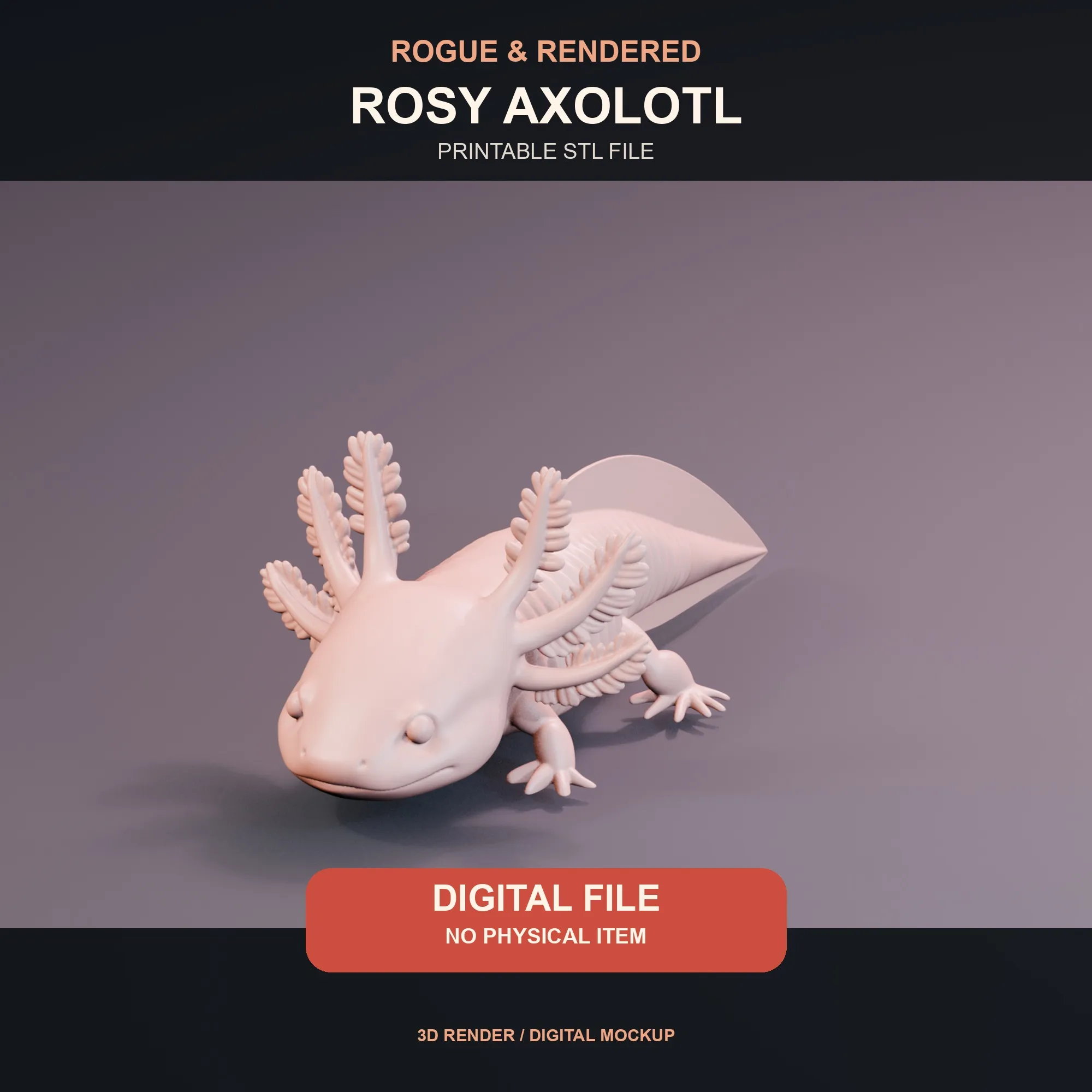
Rosy Axolotl
Ambystoma mexicanum
A detailed rosy axolotl STL prepared for supported FDM printing at a 100 mm maximum dimension, with delicate external gills and clear print guidance.
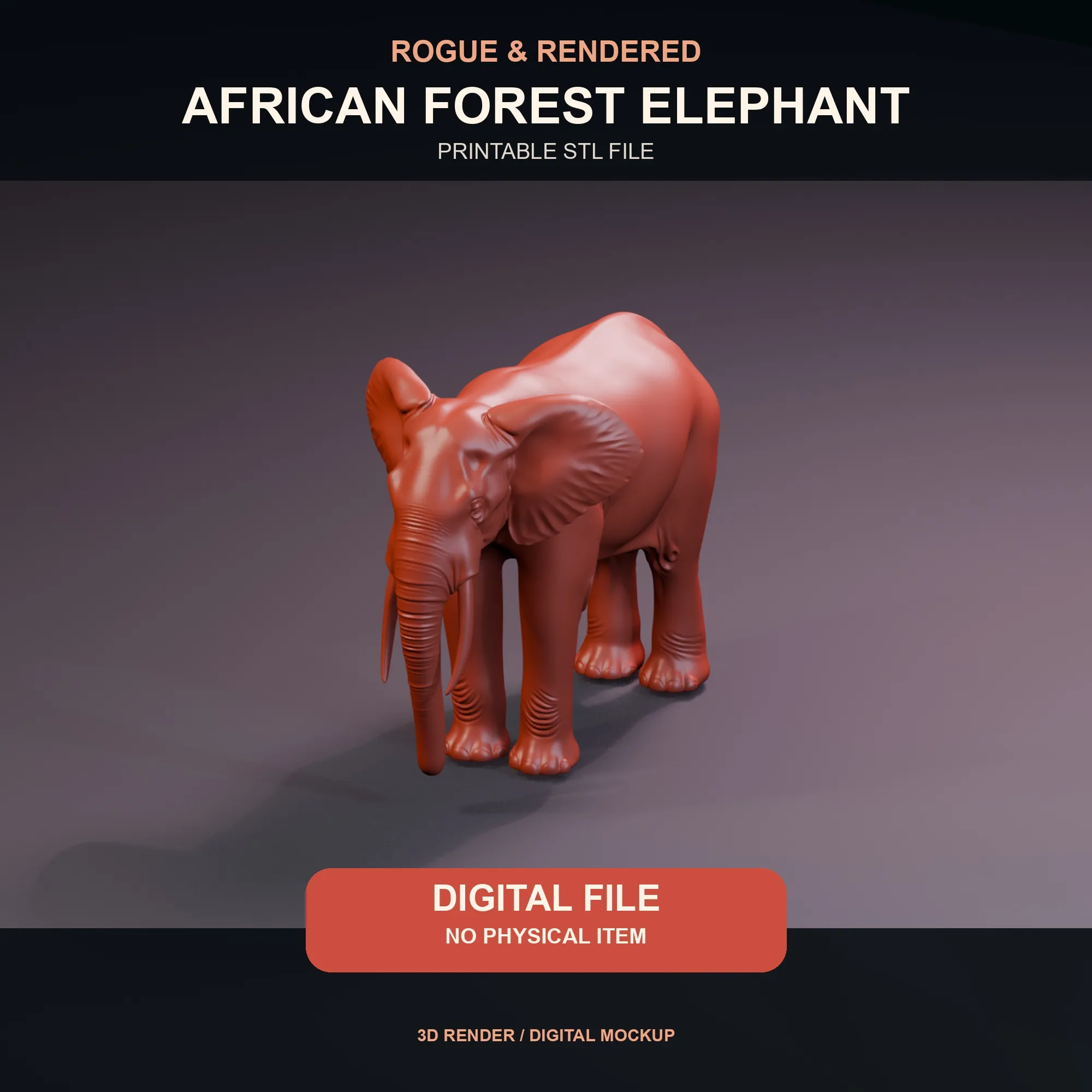
African Forest Elephant
Loxodonta cyclotis
A detailed African forest elephant STL prepared for supported FDM printing at a 165 mm maximum dimension, with delicate-part guidance and digital validation details.
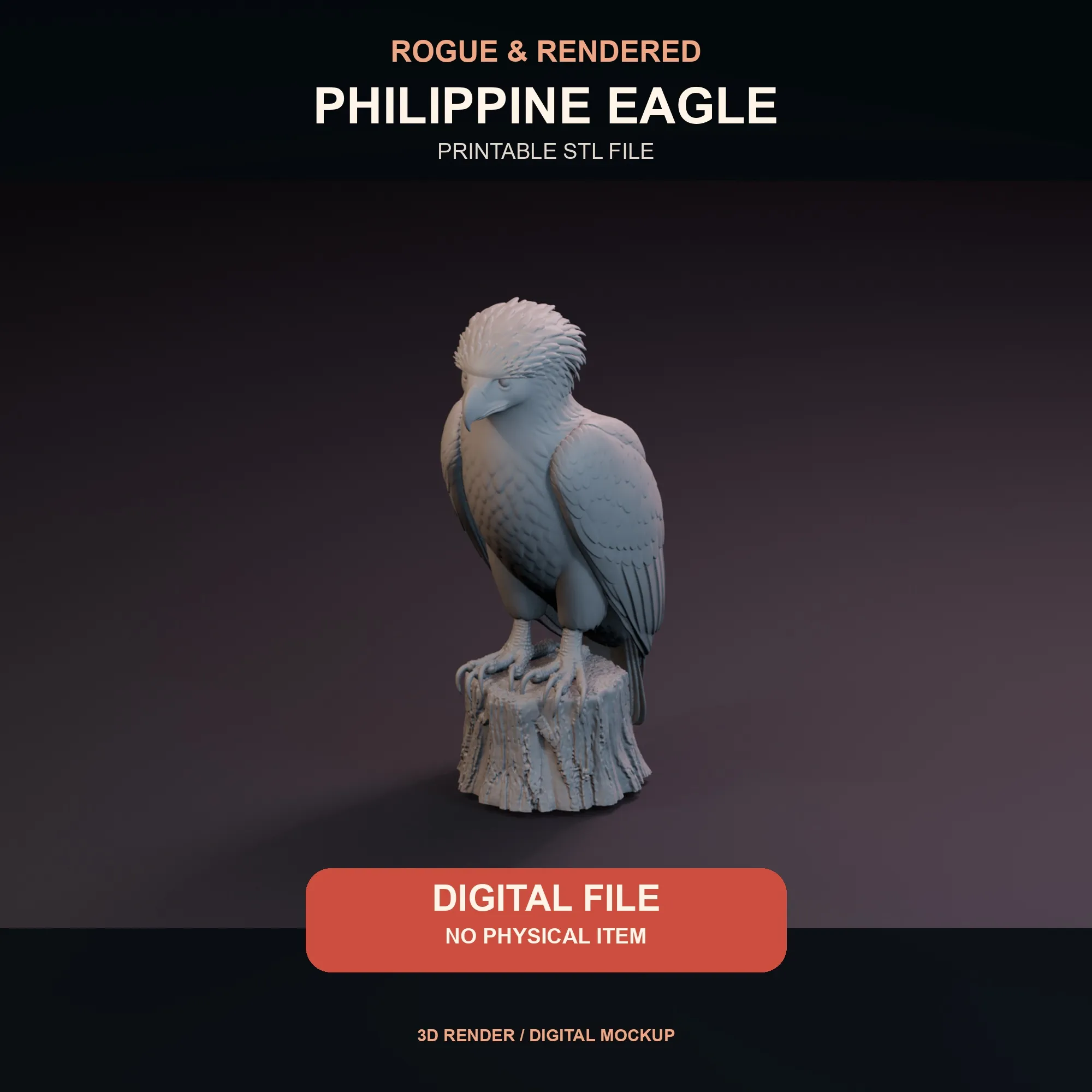
Philippine Eagle
Pithecophaga jefferyi
A detailed Philippine eagle STL prepared for supported FDM printing at a 250 mm maximum dimension, with delicate feather, talon, and bark guidance.
Field guide
Read the animal before you print it
Selected species pages pair the model with source-linked natural-history notes, evidence limits, and a clear account of what the render represents.
Literature-grade field guide
Rosy Axolotl
A salamander that keeps its juvenile silhouette for life: feathery gills, a finned tail, and an extraordinary capacity to regrow damaged tissue. In the wild, that silhouette belongs to the canals and wetlands of southern Mexico. Vegetated margins offer cover, oxygen, and hunting space; chinampa practices shape the edges; introduced fish and degraded water quality narrow the refuge. The famous body is only the beginning of the story. A living axolotl is a wetland relationship, held together by shade, flow, stewardship, and patience.
Open the field guide →Literature-grade field guide
African Forest Elephant
In Central and West African forests, elephants are gardeners with feet: they open paths, move seeds, and reshape clearings. Their disappearance is not a single missing species; it is a quieter forest becoming less itself. An elephant’s ecological work unfolds over distance and time, through fruiting routes, remembered clearings, social calls, and seedlings carried beyond their parent trees. The conservation task is equally spacious. It joins anti-poaching, connected habitat, community rights, and patient monitoring into one promise that the forest can keep functioning.
Open the field guide →Literature-grade field guide
Philippine Eagle
The Philippine eagle is a forest raptor built for vertical country: a deep wing, a powerful bill, and a crest that turns a silhouette into a declaration. Its future follows the fate of old-growth forest on the islands where it nests. A pair invests years in a breeding cycle, and a single nest tree sits inside a much larger territory of prey, canopy, rivers, and community care. To read this eagle well is to look past the dramatic profile toward the watershed that keeps the profile possible.
Open the field guide →Behind the Render
The decisions behind the finished image

Visual research
Building an Axolotl Habitat Cross-Section Without Inventing the Evidence
A source-led account of how a Xochimilco canal habitat schematic was kept honest about what it shows.
Natural history meets digital fabrication
Rogue & Rendered makes wildlife-focused 3D models and artwork for people who like looking closely. The shapes, textures, and small details that make an animal recognisable are the point.
For 3D models, that attention continues into the practical side: useful views, exact dimensions, print notes, and honest information about what has and has not been validated.
Current products are available through the Rogue & Rendered Etsy shop, where you can see current pricing and purchase details.