Natural history / field notes
Mist, ridgelines, and mineral streams
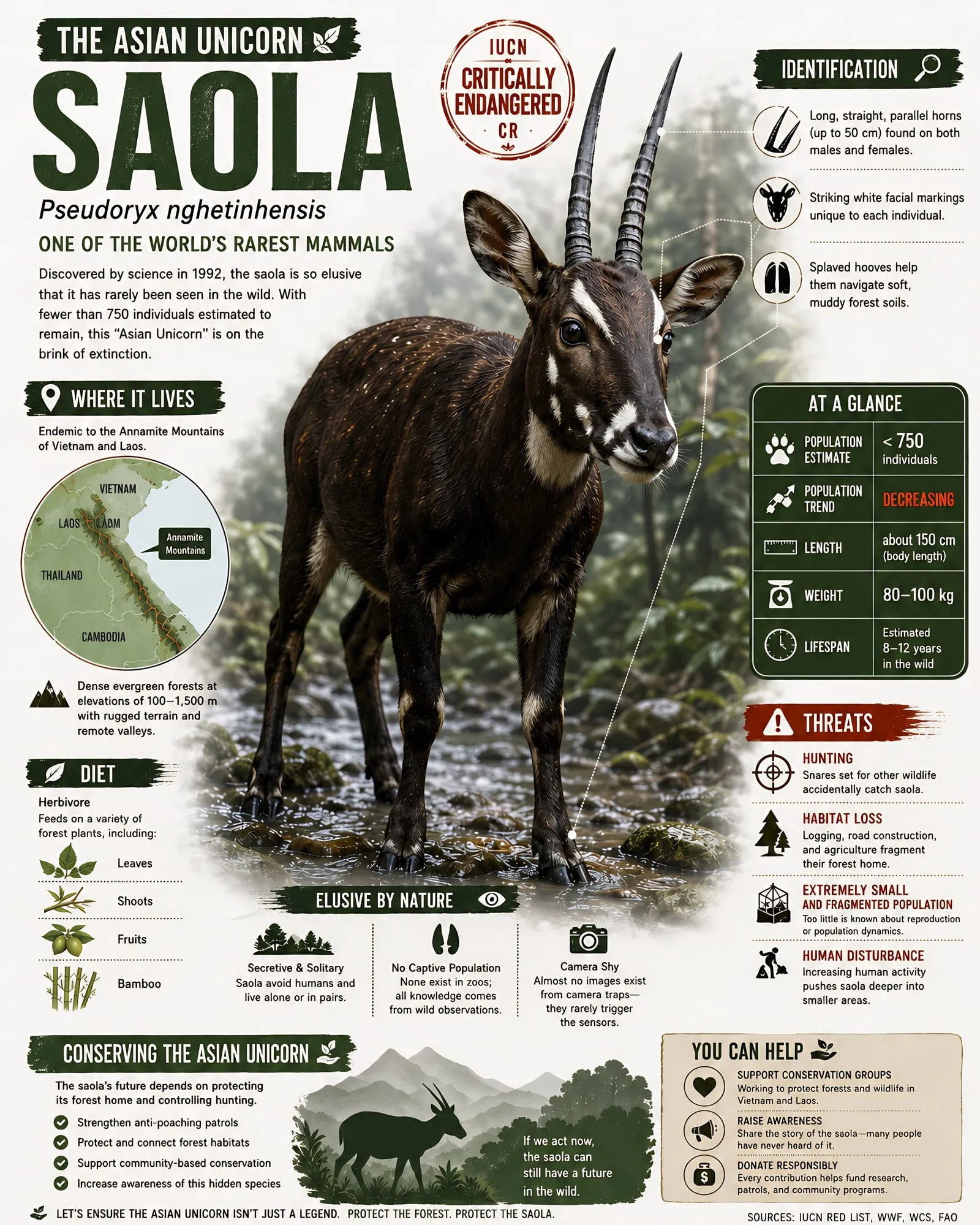
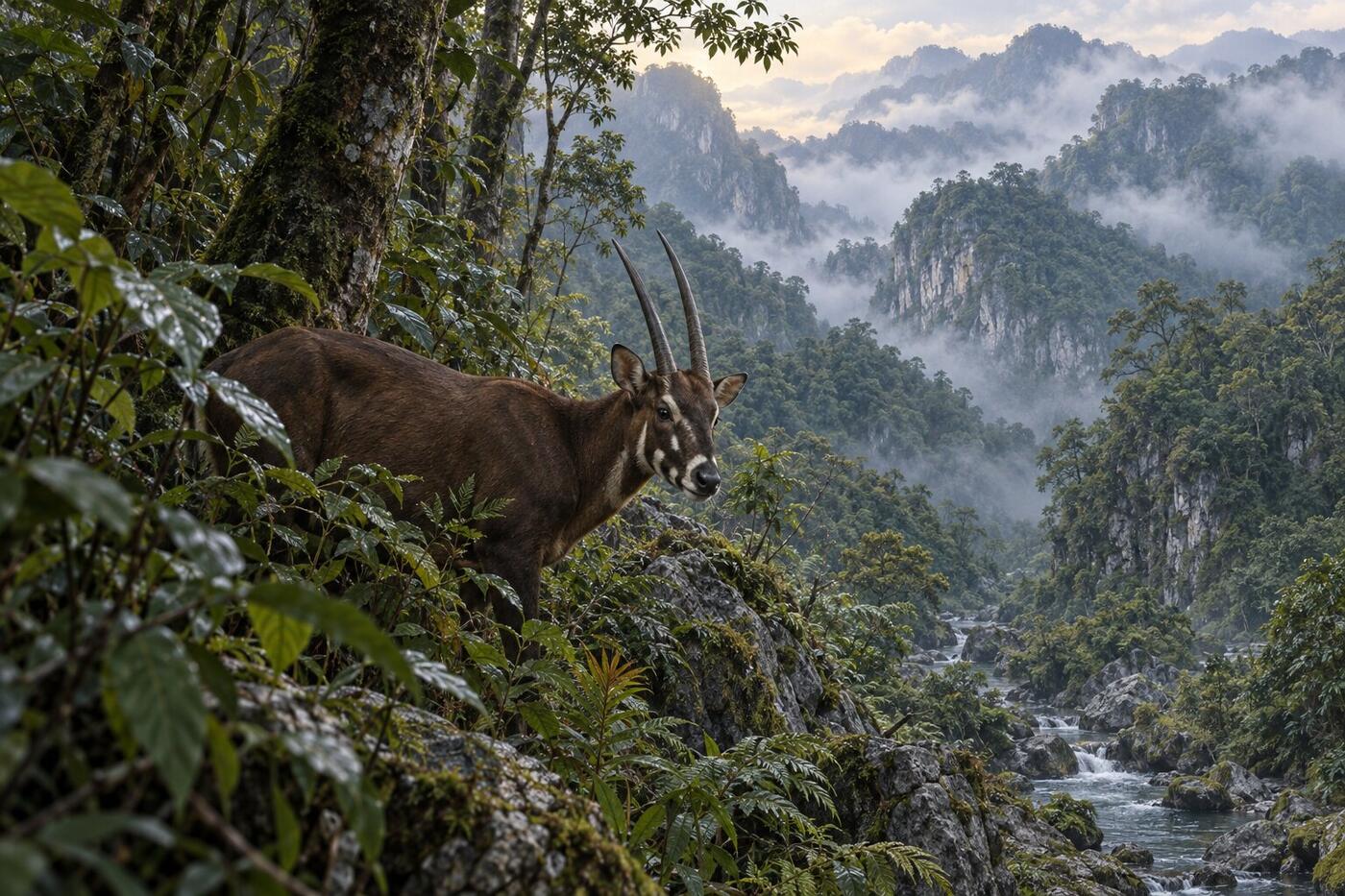
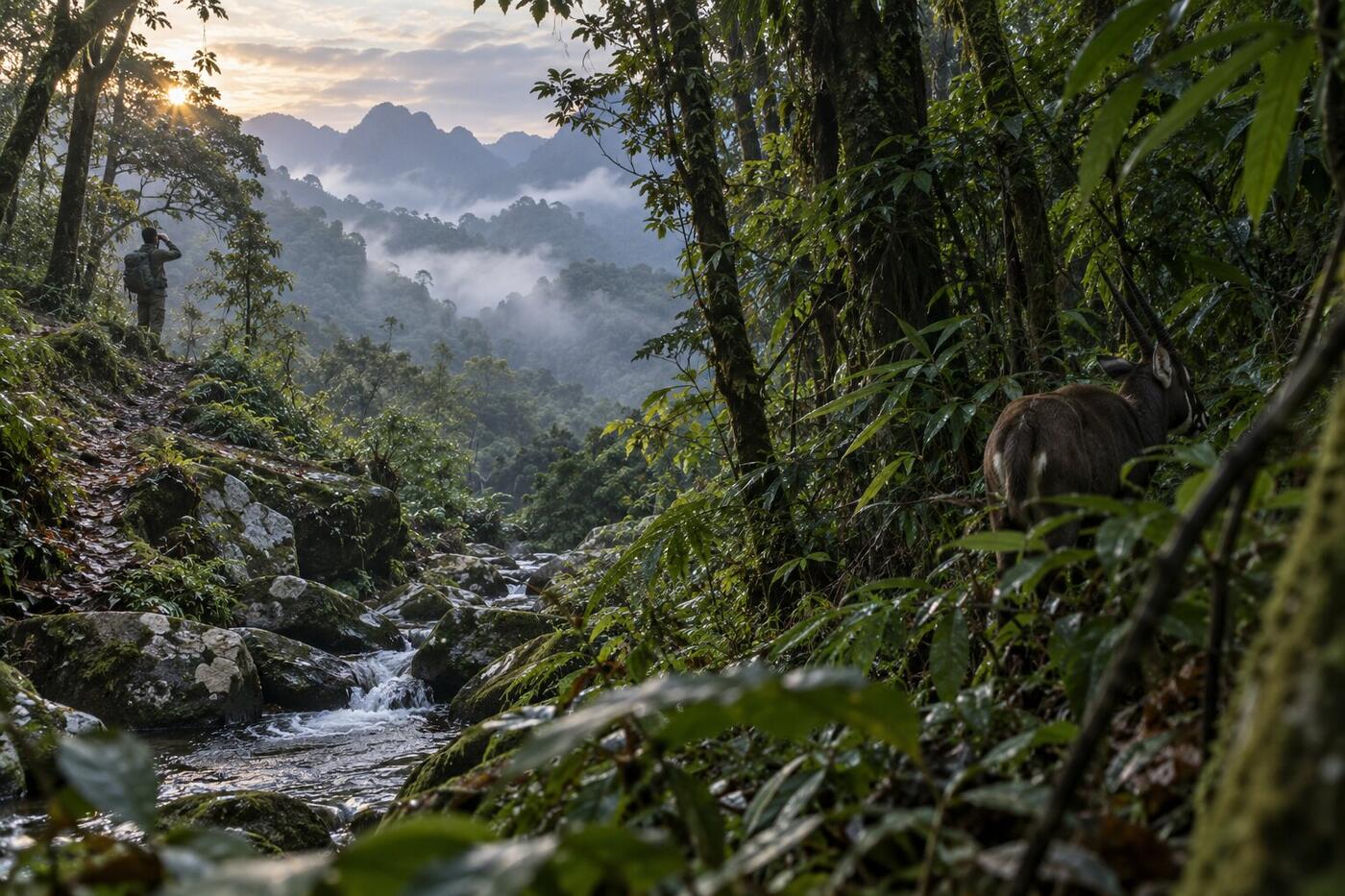
Saola inhabit evergreen and mixed forests along the Annamite range. Their known ecology is assembled from camera traps, local knowledge, tracks, and a handful of encounters.
The uncertainty is part of the conservation challenge: protecting an animal requires protecting a landscape larger than the evidence we can easily collect.
A presence measured indirectly
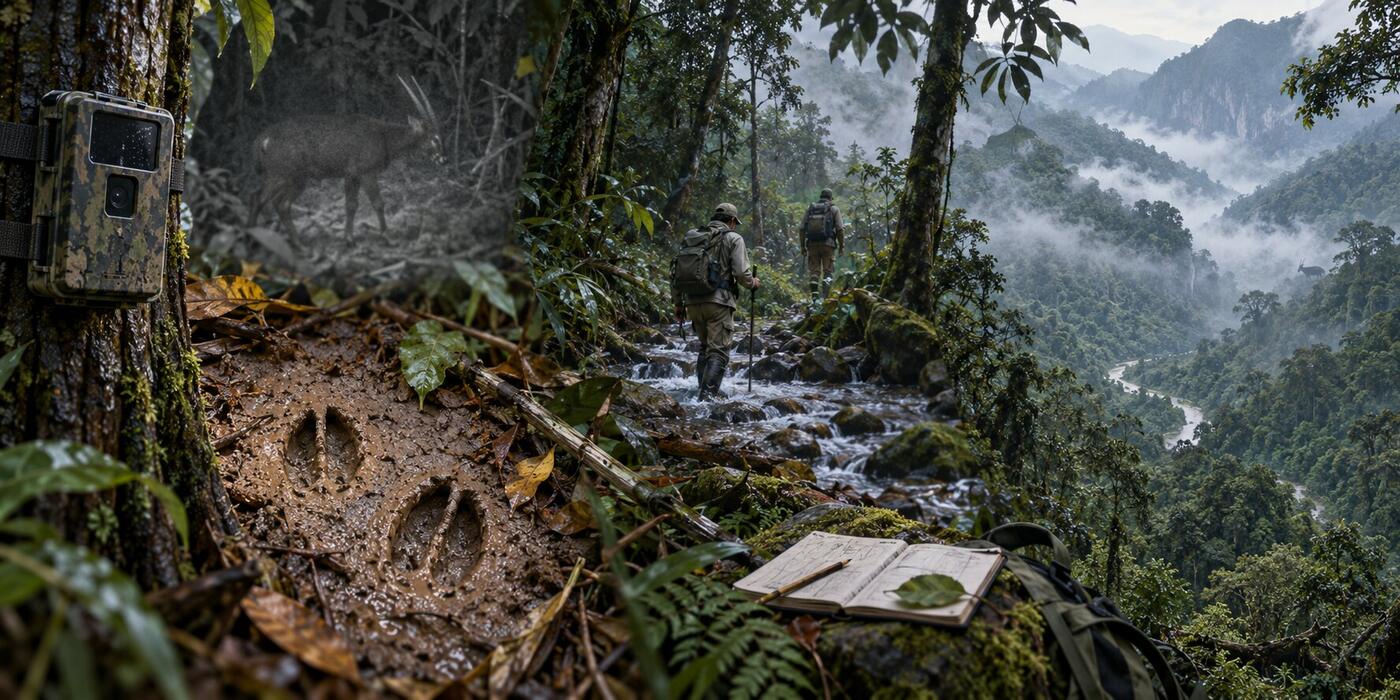
Camera-trap detections and field signs are more informative than spectacle. The species’ rarity means that absence from a survey is not proof of absence, and every record must be handled with care.
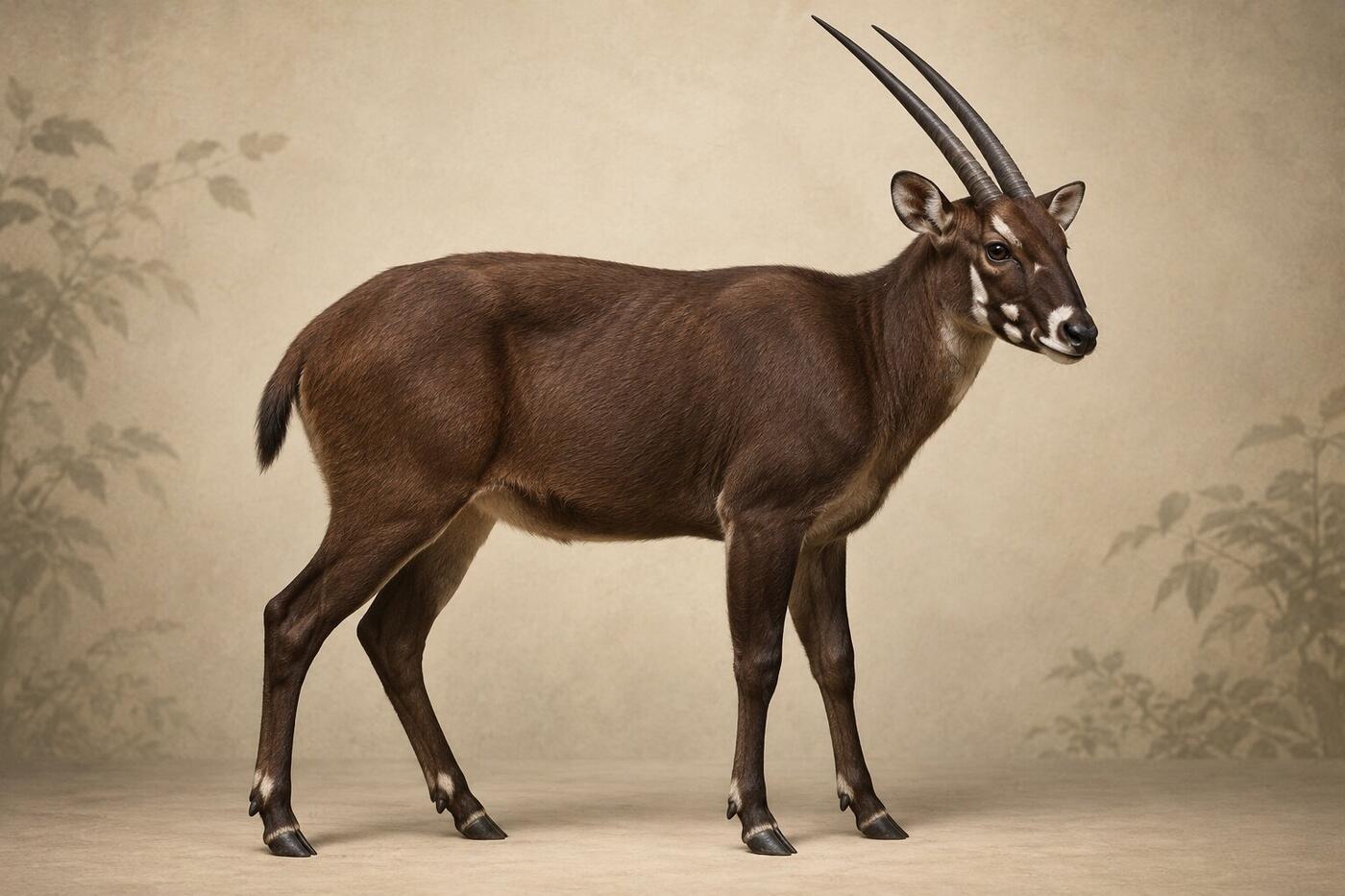
For this animal, the most powerful visual is often a map of effort, not a portrait pretending to certainty.
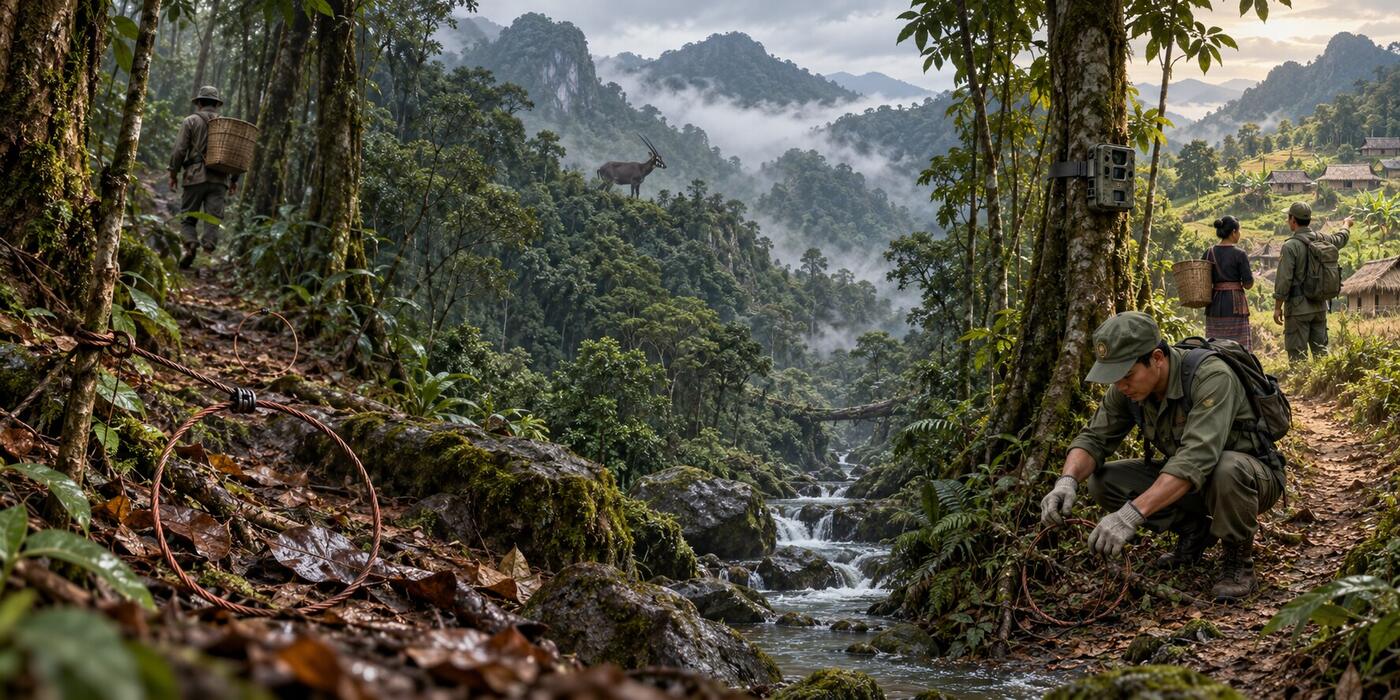
Remove the wire before searching for the animal
The Saola Working Group prioritizes snare removal, protected-area coordination, and improved detection. Reducing indiscriminate trapping benefits the entire Annamite forest community, not only saola.
Absence is not an empty frame
A camera trap that does not record a saola cannot tell us, by itself, that the animal is gone. Survey effort, season, terrain, and detectability all shape what a forest can reveal.
The IUCN assessment records a last confirmed record in 2013; that date marks the evidence boundary, not a confirmed disappearance.
Remove the wire, widen the refuge
Snare removal is direct care for an entire forest community. It lowers an indiscriminate pressure while patrol teams, protected areas, and local knowledge build a safer corridor around the rarest evidence.
The goal is not a dramatic sighting. It is a landscape in which a saola can remain unrecorded and still be alive.